Unveiling Health Concerns and Nutritional Considerations
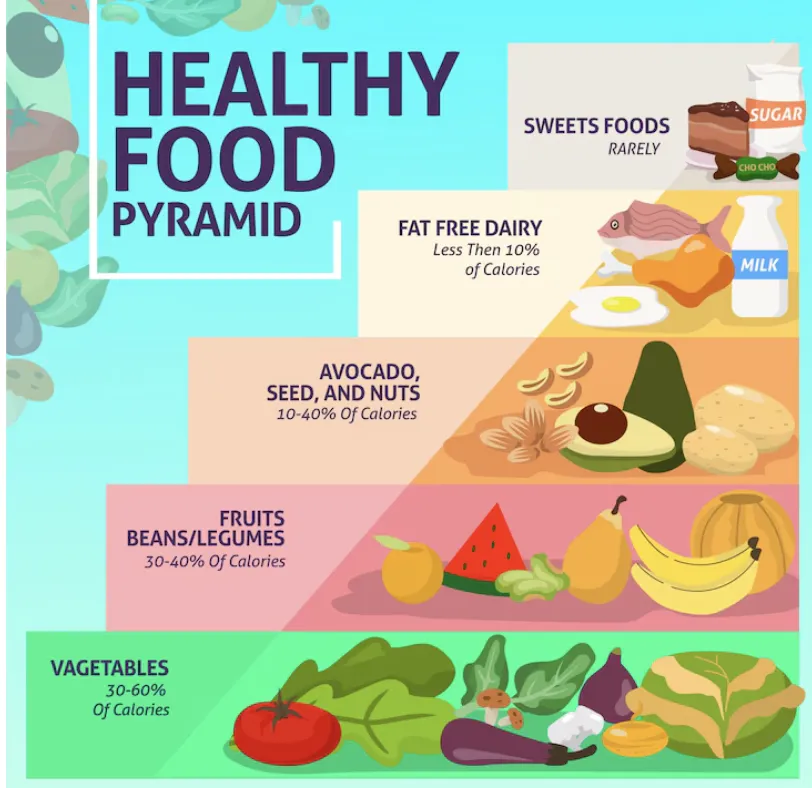
The surge in veganism over recent years has been significant, but the debate over whether a vegan diet is truly healthy remains unsettled. Several experts are raising serious concerns about potential health risks associated with an exclusively plant-based diet, asserting that these risks are not adequately communicated to the general public.
One such expert is Professor Mary Fewtrell from University College London, who highlighted the challenges of maintaining a healthy vegan diet in young infants during a 2017 conference. She emphasized the difficulty of ensuring a balanced vegan diet for infants and warned of potential irreversible cognitive damage if not done correctly.
Public health nutritionist Dr. Emma Derbyshire echoed these concerns in August 2019, cautioning against overlooking a potential choline crisis due to the growing trend towards plant-based diets. Derbyshire expressed worries about the lack of understanding regarding the nutritional implications of veganism, particularly its potential impact on brain health, considering the lower intake of essential nutrients like vitamin B12, choline, and omega-3 fatty acids.
The most discussed health risk associated with veganism is vitamin B12 deficiency, as it is primarily found in animal products. Dietitian Sophie Medlin states that up to 50% of vegans may be deficient in B12, leading to various health issues such as brain fog, anxiety, depression, and bowel problems. Children and infants face more severe risks, including developmental delay, seizures, reduced IQ, and brain atrophy.
Amino acids and choline also come under scrutiny, with Derbyshire emphasizing the importance of assessing choline intake, mainly found in eggs, milk, lean meat, and fish. Choline is crucial for brain function, memory, and various cognitive processes. Vegan diets may lack sufficient amino acids, as they are predominantly found in animal proteins, impacting overall cognitive health.
Essential fatty acids, particularly omega-3s, are often deficient in vegan diets, potentially contributing to a 20% higher risk of stroke, as suggested by a study of 48,000 people. Medlin explains that omega-3s are crucial for brain health, and their absence may leave the brain more vulnerable to damage.
Other essential nutrients like vitamin D, iodine, and iron pose additional concerns for vegans. Medlin notes that vegans obtain less than 10% of the recommended vitamin D amount from their diet, emphasizing the need for supplementation, especially in children. Lack of iodine fortification in plant-based milks and potential iron deficiency, which is less easily absorbed from plant sources, also raise red flags.
In conclusion, the debate over the healthiness of a vegan diet continues, with experts stressing the importance of proper nutrition planning, supplementation, and awareness of potential risks, especially in vulnerable populations like infants and children.


Mercury in Cosmetics and Its Health Risks

Understanding Chicken Skin or Keratosis Pilaris

The Impact of Stress on Health
The Power of a Healthy Mind