Connection Between Diet and Skin Health
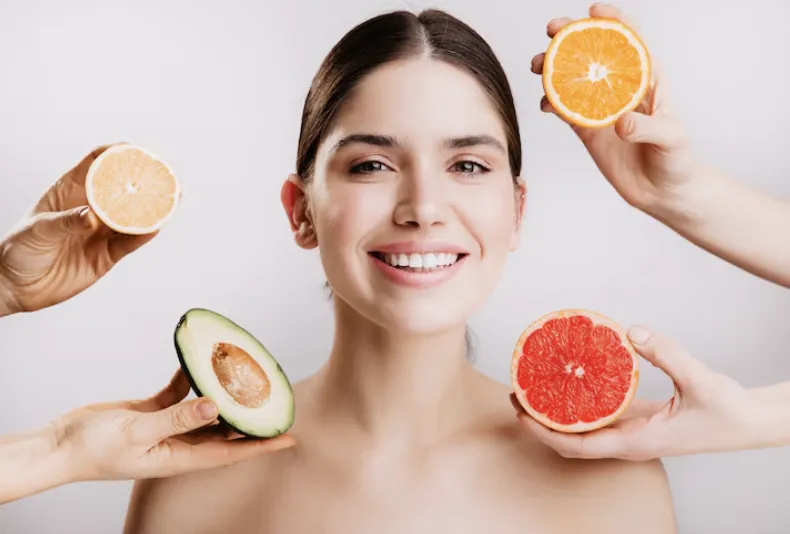
Acne is a common skin condition that affects millions of people worldwide, especially during adolescence and early adulthood. While many factors contribute to the development of acne, including genetics, hormones, and skincare habits, diet has increasingly come under scrutiny. One aspect of diet that has garnered particular attention is the role of sugar. Many people wonder whether sugar can cause or worsen acne, and scientific research has begun to shed light on this complex relationship.
In this article, we’ll explore the connection between sugar and acne, how sugar affects the skin, and ways to manage acne through dietary choices.
1. What Is Acne?
Acne is a skin condition that occurs when hair follicles become clogged with oil (sebum) and dead skin cells, leading to inflammation, pimples, blackheads, whiteheads, or more severe lesions like cysts. Hormonal changes, especially during puberty, can trigger an increase in oil production, which contributes to the formation of acne.
Other factors that influence acne include genetics, stress, and certain medications. Diet, particularly sugar intake, is also increasingly recognized as a potential contributor.
2. How Does Sugar Affect the Skin?
Sugar, especially in high amounts, can have a significant impact on skin health. When we consume sugar, our body processes it into glucose, which provides energy. However, excessive sugar intake can lead to a series of reactions that may negatively affect the skin:
a. Spikes in Blood Sugar Levels
When you eat sugary foods or drinks, your blood sugar levels rise rapidly. This spike in blood sugar triggers the pancreas to release insulin, a hormone that helps cells absorb glucose. High levels of insulin, in turn, stimulate the production of sebum (skin oil) and increase the activity of androgen hormones, both of which are closely linked to acne development.
Excessive sebum production clogs pores, leading to bacterial overgrowth and inflammation, which are key factors in acne formation.
b. Inflammation
Chronic consumption of sugary foods can lead to inflammation in the body. Sugar causes a spike in insulin, which triggers inflammatory responses. Inflammation is a primary driver of acne, as it can worsen the severity of breakouts and make pimples more red, swollen, and painful.
c. Glycation and Skin Aging
Another way sugar affects the skin is through a process called glycation. When sugar molecules bind to proteins and fats in the skin, they form advanced glycation end products (AGEs). These AGEs damage collagen and elastin fibers, which are responsible for keeping the skin firm and youthful. While glycation primarily contributes to aging, it can also make the skin more prone to inflammation, acne, and reduced healing.
3. The Glycemic Index and Acne
The glycemic index (GI) is a scale that ranks foods based on how quickly they raise blood sugar levels. Foods with a high GI, such as refined sugars, white bread, and sugary drinks, cause rapid spikes in blood sugar. In contrast, low-GI foods, like whole grains, vegetables, and legumes, are digested more slowly and lead to a gradual increase in blood sugar.
Research suggests that high-GI foods are more likely to contribute to acne development. A study published in the Journal of the American Academy of Dermatology found that individuals who consumed a low-GI diet experienced significant improvements in their acne compared to those on a high-GI diet. This is because low-GI foods help maintain stable blood sugar levels, reducing the likelihood of hormonal imbalances and inflammation that can lead to acne.
4. Types of Sugar and Their Impact on Acne
Not all sugars are created equal. Some types of sugar are more likely to cause acne-related issues than others. Here’s a breakdown of different sugars and their potential impact on skin health:
a. Refined Sugars
Refined sugars, such as those found in candy, soda, pastries, and processed foods, are high-GI and are quickly absorbed into the bloodstream. These sugars are most likely to cause blood sugar spikes, trigger insulin release, and contribute to inflammation, making them the primary culprits when it comes to sugar-related acne.
b. Natural Sugars
Natural sugars, such as those found in fruits, are generally low-GI and come with fiber, vitamins, and antioxidants that help regulate blood sugar levels. While fruit sugars are not typically associated with acne flare-ups, consuming large quantities of high-sugar fruits (such as mangoes or grapes) could still contribute to a rise in blood sugar if eaten in excess. However, the overall impact of natural sugars is much less severe than that of refined sugars.
c. Added Sugars
Added sugars, often found in packaged or processed foods, are hidden sources of sugar that can sneak into your diet and contribute to acne. These sugars are present in items like sauces, breakfast cereals, yogurt, and even some savory snacks. Checking labels and avoiding foods with added sugars can help reduce the risk of acne triggered by high sugar intake.
5. Scientific Evidence Linking Sugar to Acne
Several studies have examined the connection between sugar and acne, although more research is needed to fully understand the mechanisms. Here are a few key findings:
High Glycemic Load and Acne: A study published in the American Journal of Clinical Nutrition found that individuals who followed a low-glycemic diet experienced fewer acne lesions compared to those on a high-glycemic diet. This suggests that reducing high-GI foods, including sugary items, can improve acne symptoms.
Western Diet and Acne: Another study linked the typical Western diet, which is rich in sugar, processed foods, and high-GI carbohydrates, to higher rates of acne. In contrast, populations that consume diets low in sugar and refined carbs (such as those following traditional or whole-food diets) tend to have lower rates of acne.
6. Managing Acne Through Diet: Practical Tips
If you’re struggling with acne and suspect that sugar may be a contributing factor, here are some steps you can take to improve your diet and skin health:
a. Limit Refined Sugars
Cut back on foods and drinks high in refined sugars, such as soda, candy, baked goods, and sugary cereals. Opt for healthier alternatives like fruits, dark chocolate (with minimal added sugar), or natural sweeteners like honey or maple syrup in moderation.
b. Choose Low-GI Foods
Incorporate more low-GI foods into your diet, such as whole grains, leafy vegetables, beans, nuts, and lean proteins. These foods help maintain stable blood sugar levels and reduce the risk of acne flare-ups.
c. Stay Hydrated
Drinking plenty of water is essential for maintaining clear skin. Hydration helps flush toxins from the body and keeps the skin hydrated, which can prevent clogged pores and breakouts.
d. Balance Your Diet with Nutrient-Rich Foods
Focus on a balanced diet that includes vitamins, minerals, and antioxidants that promote healthy skin. Nutrients like zinc, vitamin A, and omega-3 fatty acids (found in foods like fish, nuts, and seeds) are known to support skin health and may help reduce acne.
e. Practice Moderation
While it’s important to limit sugar intake, there’s no need to eliminate it entirely. Indulging in sugary treats occasionally is unlikely to cause severe acne, especially if you maintain a healthy, balanced diet most of the time.

Mercury in Cosmetics and Its Health Risks
Understanding Chicken Skin or Keratosis Pilaris

The Impact of Stress on Health

The Power of a Healthy Mind